sábado, 16 de mayo de 2020

NERVIO CIÁTICO


SCIATIC NERVE

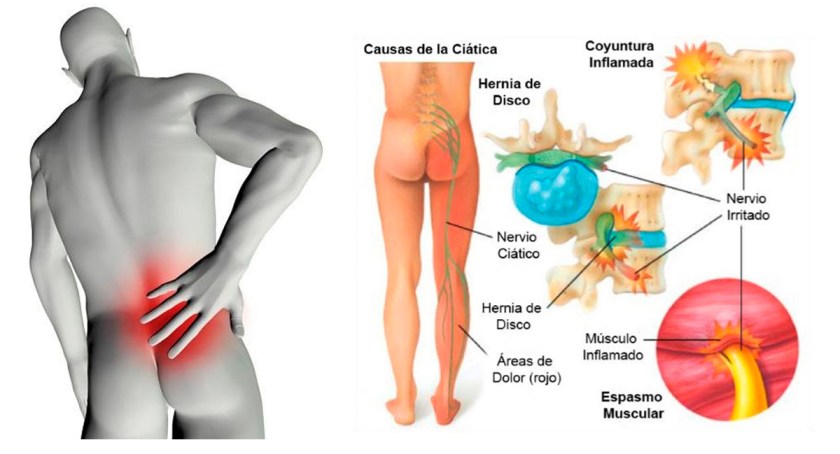
¿Did you know that the sciatic nerve is the longest in the body and gives its name to symptoms? It is responsible for both the mobility and sensitivity of the back and side of your leg to the sole, instep and toes. 
                                   

The sciatic nerve originates from the lumbar roots L4, L5 and S1 to S3 and its territory of action begins in the lumbar spine and gleteal region.

Once these roots are joined to a large nerve trunk in the thickness of the gluteal musculature, the sciatic nerve descends down the leg and at knee height divides into two branches that reach the sole and instep of the foot in addition to the toes.

* What is sciatica?
* Compression zones
* What are the symptoms of sciatica?
* How is sciatica diagnosed?
                                 * What are the causes of sciatica?
                                 * Complications
                                 * Risk factor´s
                                 * How long does sciatica last?
                                 * Treatments for sciatica.
                                 * Physiotherapy 
                                 * Recommended exercises for sciatica. 
                                 * Tips to prevent sciatica.
                                 * Clinic History 
                                 * Test assessment. 
                                 * Physiotherapeutic Diagnosis  


       ¿What is sciatica?

Sciatica occuts most often when a herniated disc, a bone spur in the spine (spinal canal stenosis) compresses part of the nerve. This causes swelling, pain, and often some numbness in the affected leg.

     Compression zones
  • Nerve root: at the level of the spine where there is a hernia or a protrusion that involves the nerve.
  • Pyramidal: The nerve passes behind the pyramodal muscle. If it spasms, it undergoes compression of the nerve.
  • Squibiotibial fiber breakdown.
  • Fracture of the fibula: Since the nervous horn divides the common fibula, and in turn surrounds the fibula, it can cause compression. 
  • More distal levels: Involvement of the twins, inflamation, at the level of the ankles, for example, a corner that can force branches that are typical of the common fibula, superficial fibula and the tibial nerve.   


    What are the symptoms of sciatica?

It is very rare that you feel discomfort in both legs at the same time, the most common is to have discomfort only or predominantly in the right or left leg that begins in the lower back and or buttocks, with pain in the back of the leg being much more intense. The painful sensation and numbness can spread to your toes causing you to limp or "drag" your leg. 

  • It usually worsens with sudden movement
  • Pain getting up from bed or from a seat 
  • positions held
  • Pain when carrying out physical effort such as weight bearing
  • Back pain 
  • Pain in the affected leg


   How is sciatica diagnosed?

Each type of injury and its severe location are very differente symptoms that your doctor will know how to assess and interpret.

To locate its origin, it is very likely that you will have to carry out complementary imaging tests.
  • Resonance or RMN
  • Bone scan
  • Tac 

   What are the causes of sciatica?

The most common causes of sciatica are related to age: the injury, pinching or crushing of the sciatica nerve, can be caused by the degeneration of the lumbar discs, the appearance of herniated discs.

In young patients, injuries to the sciatica nerve are associated with being overweight, carrying out an effort, and it is also very frequent during pregnancy (sciatica of the pregnant woman). 


  Complications 

Although most people recover fully from sciatica, usually withoun treatment, this condition can lead to permanent nerve damage, Seek immediate medical attention if you have the following:
  • Loss of sensation in the affected leg.
  • Weakness in the affected leg.
  • Impaired bowel or bladder function.  

  Risk factor´s 
  • Age 
  • Obesity 
  • Profession
  • Remain seated for a long time 
  • Diabetes 

  How long does sciatica last?

Depends on the damage, the discomforts and limitations caused by scitica con be very disabking, it is one of absenteeism from work, but it is rare that thay persist over time.
After an acute phase in which the pain is intense, most people improve on their own without requiring any medical treatment within a few days. 
  • Rest is only recommended in this first phase of less than 3 days of evolution, then we recommend avoiding rest as much as possible.  
  Treatments for sciatica

  • Symptomatic treatment to calm the pain, basically analgesic drugs
  • The types of medications that could be prescribed to treat sciatica pain are as follows.
  • Anti-inflammatory
  • Muscle relaxants
  • Tranquilizers
  • Tricyclin
  • Antidepressants
  • Seizure medications 
  • Rehabilitator treatment, postural education hot and cold therapies, deep massages or the use of transcutaneous nerve stimulation (Tens).
  Physiotherapy 


Once the acute pain subsides, the physical thetapist can design a rehabilitation program to help you prevent future injuries. Generally, the program includes exercises to correct posture, strengthen the muscles that support the back, and improve flexibility.

Physical therapy exercises which include strengthening, stretching, and aerobic conditioning from the backbone of nearly every sciatica treatment plan.

  Recommended exercises for sciatica
  • Strengthening exercises: Many exercises can serve to strengthen the spine, as well asthe supporting muscles, ligaments, and tendons. Most of these back exercises focus not only on the lower back, but also on the abdominal, gluteal, and hip muscles.
  • Stretching exercises: Stretching exercises are generally recommended to relieve sciatica pain. Stretching exercises for sciatica are designed to exercise pian-producing muscles when they are stiff and inflexible. The hamstring stretch is almost always an important part of an exercise program for sciatica. 
  • Low-impact aerobic exercises: Some form of low-impact cardiovascular exercise, such as walking, swimming, or water aerobics, is generally included as a componente of recovery, because aerobic activities promote fluid and nutrient exchange to create a better healing environment. Aerobic conditioning has the unique benefit of releasing endorphins, the body´s natural pain relievers, that help reduce sciatic pain. 

  Tips to prevent sciatica
  • Control your weight, being overweight is one of the main reasons for the appearance of sciatica.
  • Take care of tour posture when sitting and above all, when making efforts (when lifting weight for example).
  • Do regular physical exercise to strengthen your abdomen and the muscles fo your spine.
  • Consult your rehabilitator or physical therapist. They will an exercise program that will make your recover soon, preventing the appearance of new injuries to the sciatic nerve.
Clinic History 


The Clinical History is a private document, obligatory and subject to reservation, in which the patient's health conditions are chronologically recorded. 

      Anamnesis
  • Surname and full name: Laura Valentina Perez Ortiz   
  • Marital status: Single 
  • Identification document: 1.084.605.318
  • Eps: Famisanar
  • Date of birth and place: November 24 1993 Botoga
  • Rh: O+
  • Age: 26 years 
  • Gender: Female
  • Schooling: University
  • Ocucupation: Student 
  • Address: Carrera 107C # 108F-16
  • Neighborhood/sidewalk: Garces Navas
  • Zone: Urban 
  • Telephone: 3156549876
  • Religion: Catolic
  • Pregnancy: Not
  • Accompanying person: Luz Mariana Ortiz Rojas 
  • Relationship: Mom
  • Companion phone: 3208674378  
    Personal History
  • Pathological: Denies
  • Surgical: Denies
  • Pharmacological: Denies
  • Rraumatic: Denies
  • Toxic: Denies
  • Allergic: Ibuprofen  
   Medical Record
  • Procedures made: Denies
  • Surgeries: Denies 
  Family Background
  • Maternal: Denies
  • Paternal: Arterial Hypertension 
  • Reason for consultation: Pain in the ridht leg
  • Observation Forwarded: Not

   Clinical Case

Patient of 26  years old, female who enters the emergency department of the Mayor Mederi University Hospital in the company of her mather, who reports that she has been with pain in her right leg for 3 hours that radiates to her foot, the mother of the companion informs us that he has only taken acetaminophen for pain.


  Physical Exploration 

  • Weight: 60 Kg
  • Size: 1,64 Cm
 Functionaliy level:

  • Patient presents difficulty in his normal gait development. 
  • Patient has a little difficulty doing some chores around the house.
  • Patient presents defficulties when performing recreational activities in society, "university"
 Alert in the 3 Spheres
  • Consent 
  • Oriented 
  • Time and person
 Pain

In this case, the type of pain that the patient presents is pain according to her pathology,    which in this case is sciatic nerve, neuropathic pain, since it is produced by direct stimuli from the nervous system or by injury to peripheral nerve pathways. The patient frequently uses unusual terms to describe it. 
In this case we would use the verbal scale that consits of 4 points: 
  • 1= Absent
  • 2= Light 
  • 3= Moderate 
  • 4= Intense 

 Systems Review 
 Cardio Pulmonary Domain

  • F.C: 80 Ppm 
  • F.R: 30 Rpm
  • T.A: 120/70 mmHg 
  • Saturation: 95 Po2


 Integumentary Domain 
 Skin integrity
  • Texture: The skin is hydrated, soft, smooth, uniforme to the touch and not hairy.
  • Scars: Does not present
  • Skin color: White skin without the presence of bruises. 
 Skeletal muscle Domain
  • Symmetry: Asymmetry  of posture
  • Rom: The patient undergoes goniometry to measure joint width and muscular performance to determine the force that creates a muscular tension in the muscles to be evaluated in this case in the sciatic nerve because weakness in the muscles, the hamstring muscles. Adductor major, gluteus maximus, pyramidal located on the back of the thigh, and the muscles of the lower leg and feet.
  • Weight: 60 Kg
  • Size: 1,64 Cm
 Neuromuscular Domain

  • March: This altered due to walking has pain in the leg that radiates to the foot, it also has compensation for the unaffected side, in this case the pain is in the right leg, all its weight will be unloaded in the left leg, the phases of the march are affected.
  • Locomotion: Not evaluable because the patient can move from one side to the other.
  • Balance: Not evaluable. 
  • Motor function: Dermatomas 


  Test assessment 


  • Leg elevation test: Consists of the patient lying on the table and passively raising the straight leg without bending the knee.


  • Slump test: Consists of the patient being seated, with tha hands behind the back in a collapsed or crouching position, the physiotherapist will lift the leg and check if it produces the symptoms.


  • Faber test: To assess the state of the adductor musculature of the iliac and hip joint. Physiotherapist: Standing next to the patient at the thigh level,flex the knee, bringing the external malleolus obove the kneecap of the extended leg.                                                    One of the physiothrrapist's hands goes to the patient's pelvis and the other on the patient's flexed knee, exerting pressure in the direction of the stretcher, it is assessed by measuring the distance from the knee to the edge of the stretcher. 

  • Fair test: Detect if there is irritation of the sciatic nerve, patient in lateral decubitus opposite to the side to assess the examiner stabilizes the hip while passively mobilizing it to a flexion of 60-90° adduction and internal rotation, in this position, in this position the stretching of the pyramidal muscle theoretically compresses the sciatic nerve, so if pain occurs in the gluteal or sciatic region, the test is evaluated as positive. It is a test with high sensitivity and specificity. 


  • Lasenge test: Objective is to determine the presence of an irritation of the sciatic nerve, patient in supine position, a passive hip flexion plus knee extension is performed, the positivity of the test is to reduce pain between 30-70° of flexion. the diagnostic precision is sensitivity at 91% and specificity at 26%. The roots come out from L5 and S1.

  • Bragard maneuver: It is performed after the lasegue maneuver and consists of the same movement, but when the point when the point where the pain appeared is reached, we stop raising the leg further and push the sole of the foot flexing the ankle. If pain appears it suspicion the suspicion of sciatic.


  • Muscle strength tests: To see if strength has been lost in muscles that have motor connectivity to the sciatica nerve.


  • Diagnostic test: The electromyography that will ask for the ability of the electrical conduction of the nerve in different areas to check if there is good signal.


   Physiotherapeutic Diagnosis


24-year-old user with medical Diagnosis sciatica, affected musculoskeletal domain with affected pattern (B) posture deficiency, (C) muscular performance deficiency, (E) joint mobility deficiency, motor function, muscular performance and range of motion associated with localized inflation. Restrict recreation. 

  Bibliographic References

  • Madariaga, M. (2017). Nervio ciatico y ciatica; causas, síntomas y tratamientos [Blog]. Retrieved from https://www.tuvidasindolor.es/nervio-ciatico-y-ciatica-sintomas-tratamientos/.
  • Olmarker K., Myers R., Kikuchi S., Rydevik B. Pathophysiology of Nerve Root Pain in Disc Herniation and Spinal Stenosis Herkowitz H., Dvorak J., Bell G. The lumbar Spine, third edition, Philadelphia, Lippincott Williams, 2004, 11- 30.




jueves, 23 de abril de 2020

HIPERTENSION PULMONAR


AVANCE CASO CLÍNICO

Mujer de 29 años de edad, que comienza en el año 2014, 4 meses posteriores al parto de su primer embarazo, comienza con una disnea de esfuerzo. Dichos síntomas fueron progresando, por lo cual es internada 13 meses después del parto, donde se efectuó el diagnostico de hipertensión pulmonar. Se encontraba asintomática antes del embarazo, no tenía historia de abortos ni antecedentes personales, pero se realizo pruebas geneticas y se encontro antecedentes familiares de hipertensión pulmonar y trombo embolismo pulmonar por parte de abuelo materno. Curso un parto normal, sin complicaciones, pero el parto resulto ser por medio de cesárea, aunque el recién nacido no presento complicaciones.


CONTEXTUALIZACIÓN

La hipertensión pulmonar es una enfermedad del corazón y pulmones ya que es alta tensión en las arterias pulmonares pero esto hace que el corazón sobretodo la parte derecha, se esfuerce más en el bombeo  de sangre a los pulmones
Puede ser causada por: Artritis reumatoide, anomalías en el corazón, embolia pulmonar, insuficiencia cardíaca, infección por VIH, niveles bajos de o2, EPOC, fibrosis, apnea del sueño.
Sus síntomas más comunes son: Disnea, mareo, sincope, presión o dolor en pecho, edema, pulso acelerado.


        HISTORIA CLÍNICA

  •      Documento: CC. 010604060
  •      Lugar y fecha de nacimiento: Bogotá D.C 01/01/1991
  •      Estado civil: Soltera
  •      Dirección: Diagonal 3 #12 M
  •      Teléfono: 1974753
  •      Celular: 27548491
        Anamnesis

-          Edad: 29 años
-          Genero: Femenino
-          Hábitos de vida: No fuma, no bebe
-          Consumo de fármacos: No 
-          Antecedentes familiares: hipertension pulmonar y tromboembolismo pulmonar por parte de abuelo materno
-          Antecedentes personales: No presenta
-          Imágenes diagnosticas: Ecocardiograma. electrocardiograma, radiografía de tórax, análisis de sangre, resonancia magnética.
-          Actividad física: Cuando comenzaron los síntomas de disnea.

REVISIÓN POR SISTEMAS
En primera instancia se realizó una evaluación por sistemas requerida por la guía APTA:

CARDIOVASCULAR
OSTEOMUSCULAR
MUSCULOESQULETICO
TEGUMENTARIO
Tensión arterial
Screening muscular
Marcha
Textura
Frecuencia cardiaca
Screening articular
Locomoción
Coloración
Tensión pulmonar
Peso
Balance
Temperatura
Frecuencia respiratoria
Talla
Traslaciones
Elasticidad
Temperatura
IMC
Consciencia
Integridad
Edema
Postura
Comportamiento
Pigmentación
Auscultación


Percusión


EVALUACION

-          - La presión arterial: 160/90 mmHg

-          - Frecuencia cardiaca: 110 lpm

-          - Tensión pulmonar: 27/15 mmHg

-          - Frecuencia respiratoria: 24 rpm

       - Edema leve

-          - Temperatura corporal normal

-          - Cianosis en labios

-          -  Ruidos normales, sin soplos cardíacos

-          - No refiere dolor

-         -  El ecocardiograma mostraba signos de sobrecarga de cavidades derechas

-          - La radiografía de tórax fue normal
     
       - En el electrocardiograma se presentan algunos ciclos cardíacos anormales
     
       -Análisis de sangre se presentaron sustancias que hacen que la tensión pulmonar aumente

-      - Sistema tegumentario presenta hipo pigmentación en miembros superiores a nivel de brazo, se observa que su textura es seca pero se siente uniforme, tipo de piel delgada y pilosa.

-    - Sistema neuromuscular presenta alteración ya que presenta fatiga al momento de realizar transferencias y traslados, también está afectado el equilibrio.

-          - Sistema musculo esquelético afectado porque se pesó a la paciente, y se relacionó con IMC lo que indica que se encuentra en el rango de sobrepeso.

-          - Dentro de las actividades diarias se encuentra limitada para realizar actividades de alto esfuerzo e intensidad como carga de objetos pesados debido a la patología base de su condición que no la permite desempeñar correctamente sus actividades sin tener repercusiones sobre su estado de salud, debido a su dificultad para respirar (disnea), sobre todo en un inicio mientras hace ejercicio y con el tiempo durante el descanso, lo cual provoca mayor fatiga.


DIAGNOSTICO

Usuario de 29 años con diagnóstico médico de hipertensión pulmonar, afectando el dominio cardiopulmonar con el patrón A y B. Generando limitaciones en las actividades de la vida diaria y de recreación, en categorías de resistencia/ capacidad aeróbica, ventilación, respiración e intercambio gaseoso; la paciente puede realizar la mayoría de las actividades de la vida diaria como los son: Caminar por tiempo prolongado, trote suave, subir escaleras, vestirse o puede realizar actividades sin sobre exigir sus capacidades y realizándolo con la mayor calma posible para evitar estrés tanto físico o emocional que puede agravar su condición.


PRONOSTICO

 Es buena, debido a que no es muy limitante, pero es necesario trabajar actividad física regulada para aliviar los síntomas y evitar mayores complicaciones a futuro.
En pacientes con hipertensión pulmonar es posible realizar entrenamiento de resistencia (aquel que busca mejorar la capacidad para mantener una carga durante un tiempo prolongado) y entrenamiento de fuerza (con el objetivo de mantener y/o mejorar la masa y la fuerza muscular).


PATOKINESIS

https://drive.google.com/open?id=1b5OeI17_xuFKv0d5nivkBp2TlcU6D-_g


TEST Y MEDIDAS

Se realizaría pruebas y/o test cardiopulmonares de manera que podamos mantener y mejorar la capacidad respiratoria del usuario y lograr una mejora en la respiración al tratar de mejorar el sistema vascular pulmonar para que este pueda lograr una mejor vasodilatación compensatoria. También se realizarán pruebas, test de sistema osteomuscular alteración a nivel articular y muscular; en cuanto a su sistema musculoesqueletico se evaluará si tiene alteraciones posturales, de cambio de posición, equilibrio; al igual que sistema tegumentario tiene signos para observar si la persona tiene alguna alteración que pueda influir en el esfuerzo del corazón y pulmones, debido a la respiración y, algunas pruebas de funcionalidad en la vida diaria.
Dichos test a realizar son

-          TEST DE 6 MINUTOS CON DISTANCIA DISMINUIDA: es una prueba que no requiere demasiado esfuerzo aunque debido a la deficiencia de las capacidades respiratorias podría no lograr sus expectativas pero se determinaría sus capacidades cardiopulmonares y proceder a su intervención; por lo tanto la actividad física no debe ser excesiva sino regulada y supervisada para evitar mareo, dificultad respiratoria, dolor torácico con el esfuerzo o algunas otras implicaciones.

  Ejemplo de área específica para realización de la prueba, mostrando la demarcación y conos limitantes.


-          PRESIÓN/ PULSOS CENTRALES Y PERIFÉRICOS: prueba que evalúa el movimiento de la sangre que recorre órganos y tejidos para determinar posibles insuficiencias del sistema vascular. dentro de los signos perifericos mas frecuentes que se pueden evidenciar en un paciente con HAP evidenciara generalmente: onda "a" gigante en el pulso venoso yugular y cianosis.

Aparato Cardiovascular Pulso y Presión arterial


-          SATURACIÓN DE OXÍGENO Y VOLUMEN DE OXIGENO: Pruebas para determinar el intercambio gaseoso que existe a nivel pulmonar. Estas pruebas no requieren demasiado sobre esfuerzo.


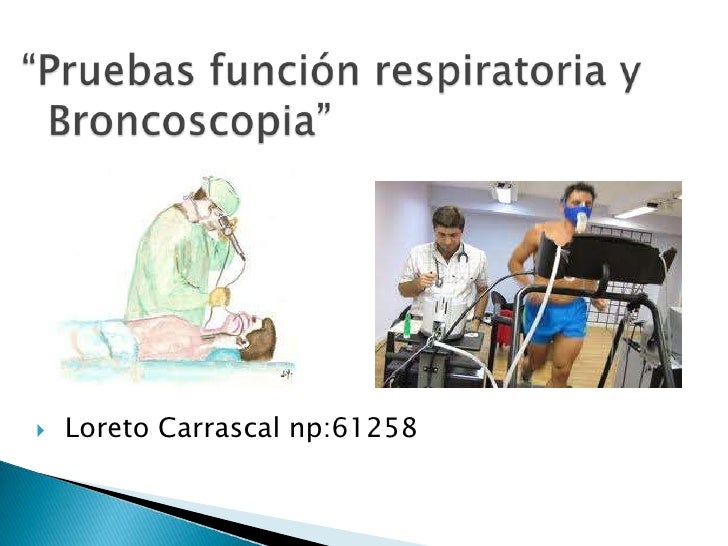
-          PRUEBA DE FUNCIÓN VENTILATORIA: Se evalúa la actividad de los pulmones en cuanto a  cómo funcionan en las 2 fases de la respiración que son: inspiración y espiración.

   Loreto Carrascal np:61258


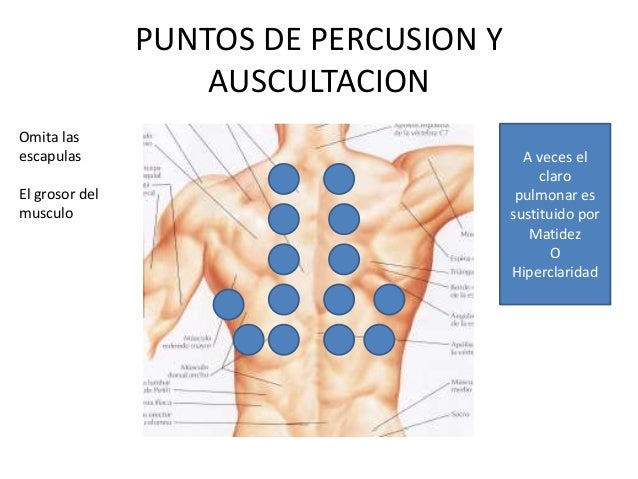
-          AUSCULTACIÓN: Se realiza para evaluar la integridad de las vías respiratorias.


-          PERCUSIÓN: Se usa para examinar la presencia de tumores, ya sea para descartar o afirmar la presencia de estos, también se examinaran los ruidos torácicos para observar si son normales o anormales.

Percusión Pulmonar

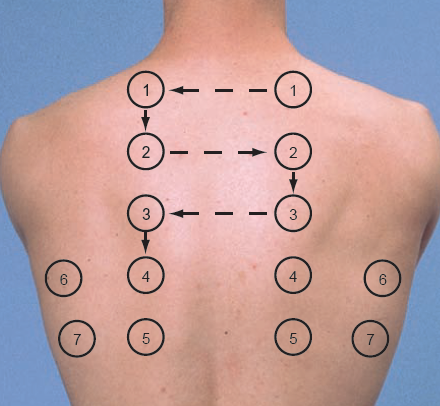
-          EXPANSIBILIDAD TORÁCICA: Evaluar el nivel de expansibilidad torácica del usuario para observar si está en sus valores normales.


-          TIPO DE TÓRAX: Examinar el tipo de tórax del paciente para evaluar sus características y adicional a esto observar el patrón respiratorio.


-          CIANOSIS: Examinar en el paciente que no presente cianosis y si esta está presente si desaparece con O2 o no.

Causas de los labios morados Causas de los labios morados

-          TOS: Evaluar el tipo de tos que presenta el paciente para identificar las características de esta y poder clasificarla (Seca, Productiva, Aguda o Crónica).

fg

-          TIPO DE RESPIRACIÓN: Examinar el tipo de tórax del paciente para evaluar sus características y adicional a esto observar el patrón respiratorio y el tipo de respiración (Cheyne-stokes, Biot, Kussmall).


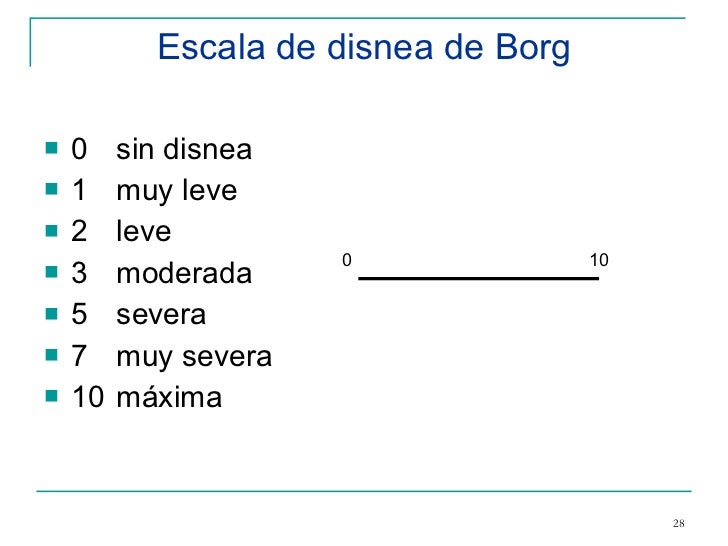
-          INDICE DE DISNEA: Se mide con esta escala cuando se detecta que existe alguna alteración a nivel pulmonar. Se realiza la prueba de respiración y de acuerdo al resultado indica que tipo de disnea tiene el paciente, en escala de Borg.
Escala de disnea de Borg <ul><li>0 sin disnea </li></ul><ul><li>1 muy leve </li></ul><ul><li>2 leve </li></ul><ul><li>3 mo...

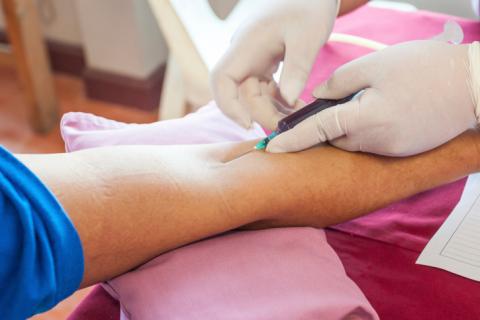
-          GASIMETRIA: Es una prueba con la cual como su nombre lo dice mide los gases de sistema vascular, así determinar si el patrón respiratorio del paciente se encuentra en estado óptimo.
Cómo se hace una gasometría


-          PRUEBA DE ALLEN: Prueba donde se mide que tanto tarda la sangre en llegar a los vasos sanguíneos distales/ periféricos en miembros superiores.
Test Allen Mano

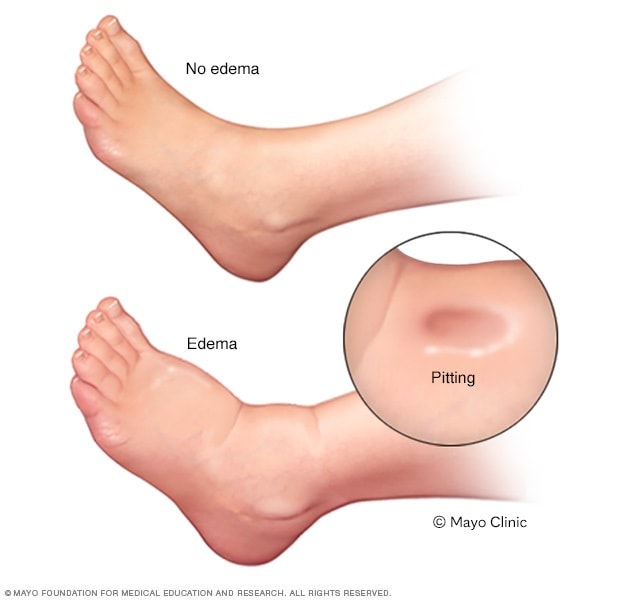
-          SIGNO DE FÓVEA: Es producido por edema que es el acumulo de liquido en una parte del cuerpo pero eso especialmente se da en miembros inferiores.


Ilustración de un edema en el pie y tobillo


-          ESCALA DE CLAUDICACIÓN: Se debe realizar la prueba de medición del flujo sanguíneo cuando el paciente se expone a ejercicio, o actividades de impacto.
Estimulación Medular (EEM) en el tratamiento de la enfermedad ...

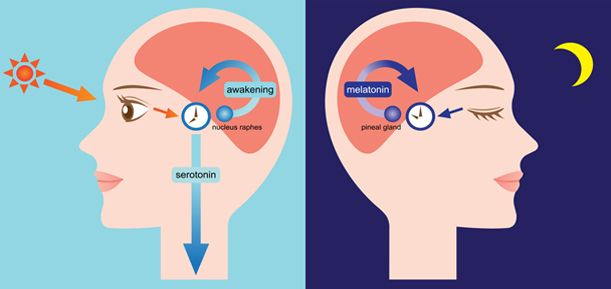
-          CICLO DE SUEÑO Y VIGILIA: Es realizada cuando la persona no puede conciliar el sueño debido a dolores, incomodidad o patologías que impiden la quietud.

Sueño y vigilia: Trastornos del sueño — Steemit

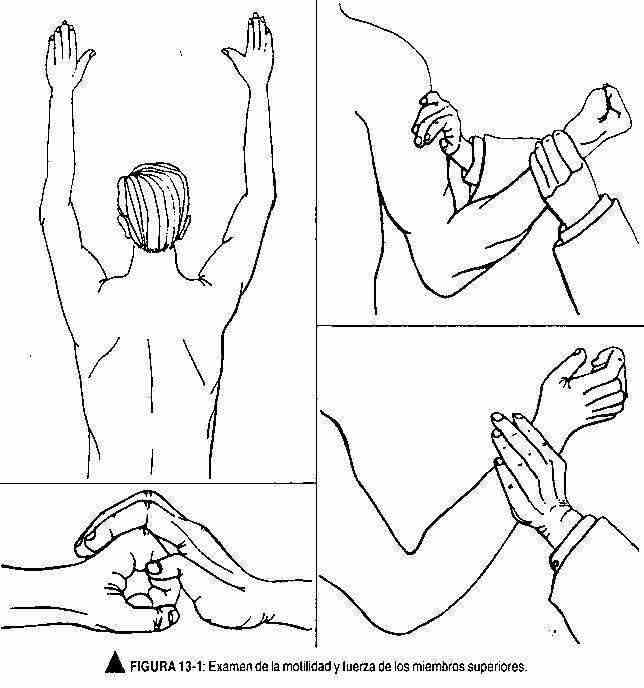
-          SCREENING ARTICULAR: Es una prueba usada para evaluar si la persona tiene rangos de movilidad normal o que no se vean afectados en ningún momento.

exneuro01

-          SCREENIG MUSCULAR: Es un examen realizado para evaluar la funcionalidad de los músculos o debilidad de los mismos.

 examen

-          INDICE DE KATZ: Es un tipo de encuesta donde se determina que tanto el paciente es funcional en cuanto a sus actividades diarias.

ÍNDICE DE KATZ – PROMOCIÓN DE LA AUTONOMÍA PERSONAL Y SOCIAL

-          LAWTON Y BRODY: Son una serie de preguntas que indican que tanta actividad tiene el paciente en su vida diaria, entorno de hogar.

Escala de Lawton y Brody | adultomayor
-          ESCALA DE BARTHEL: Se realizan preguntas donde se determina la independencia que tiene el paciente al realiza actividades de la vida diaria.

Resultado de imagen para escala de barthel para imprimir (con ...

-          ESCALA DE INDEPENDENCIA FUNCIONAL: Es una prueba donde se realizan preguntas al paciente, de acuerdo a ello se observa que actividades de la vida diaria están limitadas o si necesita ayuda ¿cuánta?

Qué es la "Escala de independencia funcional" o FIM. - Cuidados.net

-          POSTURA (TEST DE PLOMADA): Es la relación de la posición en el espacio con el cuerpo humano, el examen es realizado para evaluar deficiencias en la columna vertebral, a nivel torácico o articular de las extremidades.
Postura y sus consecuencias

-          MARCHA: Movimiento del cuerpo en el espacio al caminar, estos movimientos deben ser simétricos, armónicos, coordinados. Se puede realizar de forma observable o en un laboratorio especializado con un software llamado BTS SMART DX.


Laboratorio de marcha


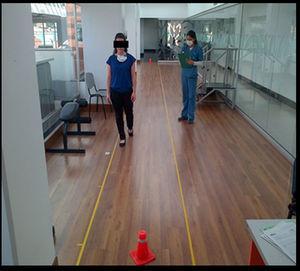
BALANCE Y EQUILIBRIO (TINETTI): Es la capacidad de reacciones rápidas, automáticas cuando el cuerpo se encuentra en desequilibrio y su centro de gravedad se encuentra desplazado.


https://www.cuerpomente.com/salud-natural/ejercicios/mejores-ejercicios-fortalecer-equilibrio-corporal-mental_4280


BILINGUALISM
CLINICAL CASE PROGRESS
A 29-year-old woman, who begins in 2014, 4 months after giving birth to her first pregnancy, begins with exertional dyspnea. These symptoms progressed, for which she was admitted 13 months after delivery, where the diagnosis of pulmonary hypertension was made. She was asymptomatic before pregnancy, had no history of miscarriage, or a personal or family history of pulmonary hypertension and / or pulmonary thromboembolism. I went through a normal delivery, without complications, but the delivery turned out to be by means of caesarean section, although the newborn did not present complications.

CONTEXTUALIZATION
Pulmonary hypertension is a disease of the heart and lungs since it is high tension in the pulmonary arteries but this causes the heart, especially the right part, to try harder in pumping blood to the lungs.
It can be caused by: Rheumatoid arthritis, heart abnormalities, pulmonary embolism, heart failure, HIV infection, low o2 levels, COPD, fibrosis, sleep apnea.
Its most common symptoms are: Dyspnea, dizziness, syncope, pressure or pain in the chest, edema, rapid pulse.

ANAMNESIS
-          Age
-          Gender
-          Life habits
-          Drug use
-          Family background
-          Personal history
-          Diagnostic Imaging
-          Physical activity

 
SYSTEMS REVIEW
In the first instance, an evaluation by systems was performed
CARDIOVASCULAR
OSTEOMUSCULAR
MUSCULOSKELETAL
TEGUMENTARY
Blood pressure
Muscle screening
March
Texture
Heart rate
Joint screening
Locomotion
Coloration
Pulmonary tension
Weight
Balance
Temperature
Breathing frequency
Size BMI
Traslations
Elasticity
Temperature
BMI
Consciousness
Integrity
Edema
Posture
Behavior
Pigmentation
Auscultation


Percussion


EVALUATION
-          The blood pressure was 160/90 mmHg
-          Heart rate 110 bpm
-          Pulmonary pressure 27/15 mmHg
-          Respiratory rate 24 rpm
-          No edema
-          Normal body temperatura
-          Cyanosis on the lips
-          Normal sounds, no heart murmurs
-          The electrocardiogram showed signs of overloading of the right cavities
-          The chest radiograph was normal.
-          Integumentary system presents hypopigmentation in upper limbs at arm level, it is observed that its texture is dry but it feels uniform, thin and hairy skin type.
-          Neuromuscular system presents alteration since it presents fatigue when making transfers and transfers, balance is also affected.
-          Musculoskeletal system affected because the patient was weighed, and was related to BMI, indicating that she is in the overweight range.
-          Within the daily activities it is limited to carry out activities of high effort and intensity as a load of heavy objects due to the base pathology of its condition that does not allow it to carry out its activities correctly without having repercussions on its state of health, due to its difficulty. to breathe (dyspnea), especially initially while exercising and over time during rest, which causes more fatigue.

DIAGNOSIS
The medical diagnosis of the patient affecting the cardiovascular domain with pattern A, but despite its limitations, the patient is functional to carry out most of the activities of daily life without over-demanding his abilities and doing it as calmly as possible to avoid stress. so much physical or emotional that it can aggravate your condition.
PROGNOSIS
It is good, since it is not very limiting, but it is necessary to work regulated physical activity to alleviate the symptoms and avoid further complications in the future.
In patients with pulmonary hypertension, resistance training (one that seeks to improve the ability to maintain a load for a long time) and strength training (with the aim of maintaining and / or improving muscle mass and strength) can be performed.

TEST AND MEASURES
Cardiopulmonary tests and / or tests would be carried out so that we can maintain and improve the user's 
respiratory capacity and achieve an improvement in breathing by trying to improve the pulmonary vascular 
system so that it can achieve better compensatory vasodilation. Tests, tests of the musculoskeletal system, 
alteration at the articular and muscular level will also be carried out; As for his musculoskeletal system, he will 
be evaluated for postural changes, changes in position, balance; like integumentary system it has signs to 
observe if the person has any alteration that can influence the effort of the heart and lungs, due to breathing.
 
Some tests of functionality in daily life.
 
- 6-MINUTE TEST WITH DECREASED DISTANCE: it is a test that does not require too much effort, although due to the deficiency of the respiratory capacities it could not meet your expectations but it would determine your cardiopulmonary capacities and proceed to your intervention; therefore physical activity should not be excessive but regulated and supervised to avoid dizziness, respiratory distress, chest pain with exertion or some other implications.
  

- CENTRAL AND PERIPHERAL PRESSURE / PULSES: test that evaluates the movement of blood that runs through organs and tissues to determine possible insufficiencies of the vascular system.
- OXYGEN SATURATION AND OXYGEN VOLUME: Tests to determine the gas exchange that exists at the lung level. These tests do not require too much effort.


- VENTILATORY FUNCTION TEST: The activity of the lungs is evaluated in terms of how they function in the 2 phases of respiration, which are: inspiration and expiration.

- AUSCULTATION: It is performed to assess the integrity of the airways.

  
- PERCUSSION: It is used to examine the presence of tumors, either to rule out or confirm the presence of these, chest sounds will also be examined to see if they are normal or abnormal.

- THORACIC EXPANSIBILITY: Evaluate the user's level of thoracic expandability to see if it is at its normal values.
   

- THORAX TYPE: Examine the patient's chest type to evaluate its characteristics and, in addition to this, observe the respiratory pattern.

- CYANOSIS: Examine the patient for cyanosis and if it is present, if it disappears with O2 or not.


- COUGH: Evaluate the type of cough that the patient presents to identify its characteristics and to classify it (Dry, Productive, Acute or Chronic).

- TYPE OF BREATH: Examine the patient's chest type to evaluate its characteristics and, in addition to this, observe the respiratory pattern and the type of breathing (Cheyne-stokes, Biot, Kussmall).

- DISNEA INDEX: This scale is measured when an alteration is detected at the lung level. The breathing test is performed and according to the result indicates what type of dyspnea the patient has, on a Borg scale.

- GASIMETRY: It is a test with which, as its name says, it measures the gases of the vascular system, thus determining if the patient's respiratory pattern is in an optimal state.


- ALLEN TEST: Test where it is measured how long it takes for the blood to reach the distal / peripheral blood vessels in the upper limbs.


- SIGN OF FOVEA: It is produced by edema that is the accumulation of liquid in a part of the body but that especially occurs in the lower limbs.


- CLAUDICATION SCALE: The blood flow measurement test must be performed when the patient is exposed to exercise or impact activities.


- SLEEP AND WATCH CYCLE: It is performed when the person cannot fall asleep due to pain, discomfort 
or pathologies that prevent quiet.
 
https://www.google.com/search?q=ciclo+de+sue%C3%B1o+y+vigilia&sxsrf=ALeKk027IloJKcT4_jpBSIosvSoq7f
3l6w:1590395156481&source=lnms&tbm=isch&sa=X&ved=2ahUKEwjzwurSy87pAhUshOAKHb97DvgQ_AUoA
XoECA0QAw&biw=1366&bih=657#imgrc=MvBIHPburSAgIM&imgdii=hPT0iIZ5APz3-M

- ARTICULAR SCREENING: It is a test used to assess whether the person has ranges of normal mobility or 
that they are not affected at any time.
 
https://www.semiologiaclinica.com/index.php/articlecontainer/examenfisico/106-examen-fisico-neurologico-normal
 
- MUSCULAR SCREENIG: It is an examination made to evaluate the functionality of the muscles or their weakness.
 
 
- KATZ INDEX: It is a type of survey where it is determined how much the patient is functional in terms of their daily activities.

- LAWTON AND BRODY: They are a series of questions that indicate how much activity the patient has in his daily life, home environment.

- BARTHEL SCALE: Questions are asked where the independence of the patient when carrying out activities of daily life is determined.


- FUNCTIONAL INDEPENDENCE SCALE: It is a test where questions are asked to the patient, according to which it is observed that activities of daily life are limited or if you need help, how much?


- POSTURE (PLUMB TEST): It is the relationship of the position in space with the human body, the examination 
is performed to evaluate deficiencies in the spine, at the thoracic or articular level of the extremities.

- MARCH: Movement of the body in space when walking, these movements must be symmetrical, harmonic, 
coordinated. It can be done in an observable way or in a specialized laboratory with software called 
BTS SMART DX.
 
  
- BALANCE AND BALANCE (TINETTI): It is the capacity of fast, automatic reactions when the body is in 
imbalance and its center of gravity is displaced.


REFERENCIAS
-          Medline. (2020). Hipertensión pulmonar. Recuperado el 22 de Mayo de 2020 de, https://medlineplus.gov/spanish/ency/article/000112.htm

-          Mayoclinic. (2017). Hipertensión pulmonar. Recuperado el 22 de Mayo de 2020 de, https://www.mayoclinic.org/es-es/diseases-conditions/pulmonary-hypertension/symptoms-causes/syc-20350697